



A University of Queensland study has found life in Brisbane is increasingly difficult without a car, with even a small group of participants largely clustered near the CBD, while those living in outer areas like Manly faced greater challenges getting around.
Read: New Design Released for Parking and Safety Changes at Manly State Boat Harbour
The study, led by Associate Professor Dorina Pojani from UQ’s School of Architecture, Design and Planning alongside PhD scholar Sufian Almubarak and researcher Sara Alidoust, recruited five men and five women to go completely car-free for 20 days.

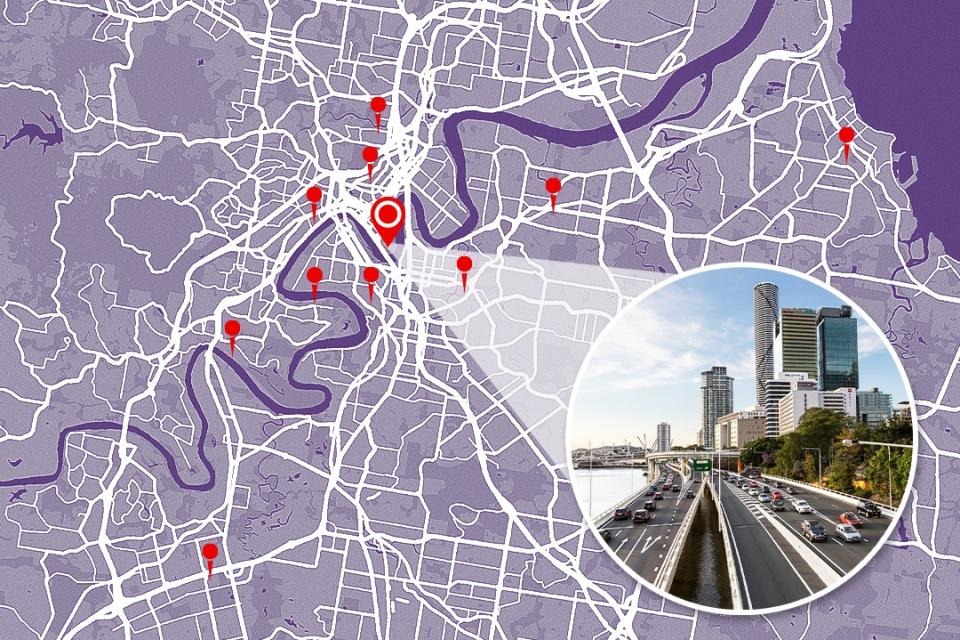
Most participants lived within two kilometres of the Brisbane CBD, but three came from further afield: one from Manly in the east, one from Indooroopilly in the inner-west, and one from Oxley in the south-west. The inclusion of participants from outer suburbs like Manly made the study’s findings relevant beyond the inner city.
Participants were asked to stick to their normal daily routines using only public transport, cycling, walking, and micro-mobility devices like e-scooters. Taxis and ride-share services were available as a last resort in genuine emergencies.

Despite the range of alternatives on offer, every single participant was relieved when the trial ended and none were willing to make the switch permanent.
Dr Pojani said the overwhelming feedback from participants was that living without a car in Brisbane was simply too difficult. She attributed this to the city’s sprawling, low-density layout and its lack of integrated transport options, barriers she said were the product of longstanding planning decisions.

Initial enthusiasm among participants gave way to frustration, with most finding the experience disorienting. Public transport performed reasonably well in the inner city but fell short once participants ventured further out.
Particular difficulties
Parents in the group also faced particular difficulties. Getting children to school or after-school activities without a car meant relying on other people who still had one. Family day trips and out-of-town travel had to be cancelled altogether.



There was some financial relief. Participants saved around $300 in car-running costs over the trial, though they still spent an average of $125 on alternative transport. One participant noted surprise at how much money their car had been costing them. Queensland’s 50-cent public transport fares made a difference, with Dr Pojani noting that patronage has risen in response to the policy, but she said cheaper fares alone were not enough to shift people’s reliance on private vehicles.
Four participants did pledge to use public transport for short trips within the inner city after the trial, but all stressed that fully surrendering the car was out of the question.
Read: Teenagers Charged Over Alleged Break-Ins And Car Thefts In Manly
The research, conducted across two comparable low-density cities, Brisbane and Al-Ahsa in Saudi Arabia, was published in the journal Transportation. Dr Pojani concluded that in sprawling cities like Brisbane, people cannot reasonably be expected to give up driving without significant investment in public transport.
For Manly residents already familiar with the gaps in eastern suburbs connectivity, that message will land without much argument.
Published 24-March-2026