

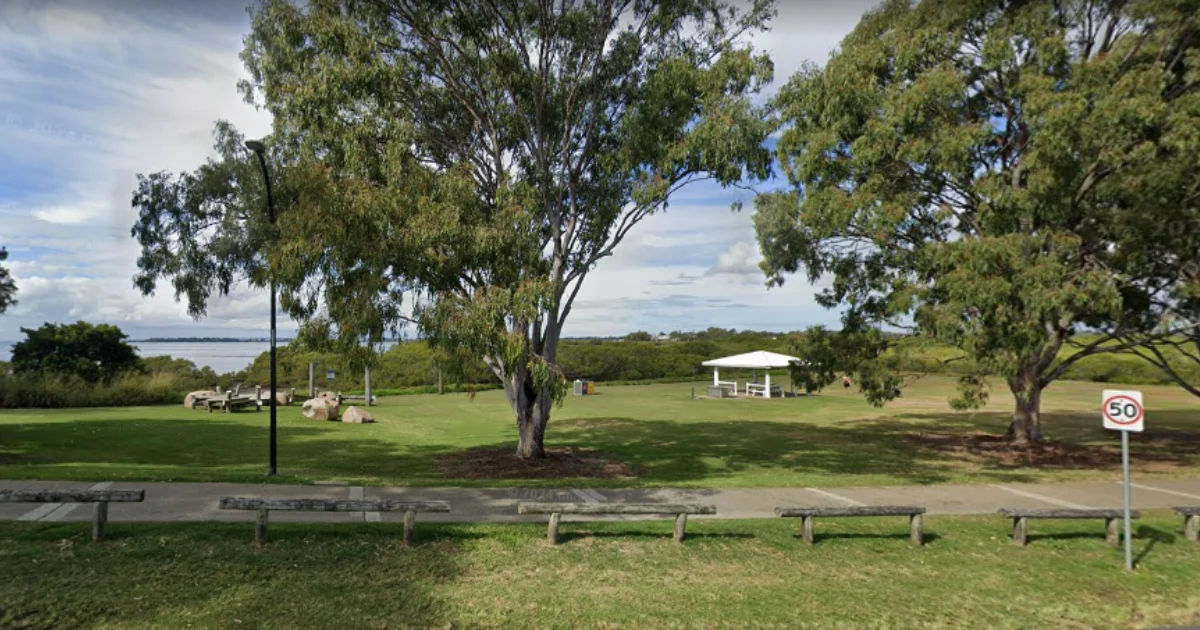
Investigations into what is being suspected to be the deliberate poisoning of at least six trees along the Lota Park foreshore are ongoing, with the bayside community still demanding accountability for what seems to be a brazen act of environmental vandalism.
Read: Lota Creek Catchment Properties Among Thousands Affected by Flood Risk Map Update
The ocean-facing park, a treasured green corridor in one of Brisbane’s most cherished waterfront suburbs, became the target of what residents have described as selfish and calculated destruction late last year.

Cr Alex Givney addressed the incident as investigators continued gathering evidence, emphasising how deeply such vandalism affects communities like Lota. She noted that local parks hold significant meaning for residents, making the destruction particularly disappointing. Authorities have been urging anyone with information to come forward, with signs installed throughout the area seeking community assistance.
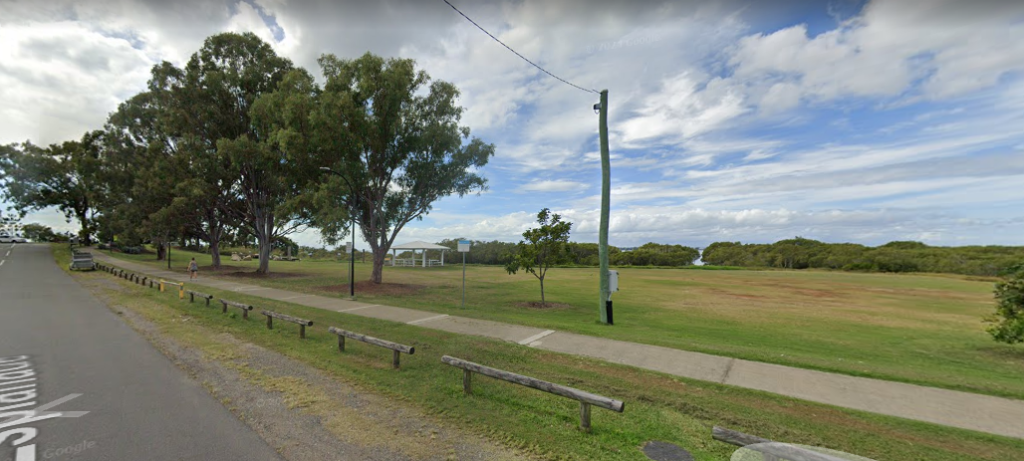
One long-time Wynnum resident reflected on what draws people to the bayside suburbs. She pointed to the green spaces running alongside the water as one of the area’s defining features—something that sets these communities apart. Watching the destruction unfold has been distressing for many locals, with Kalantzis describing the wilful damage to irreplaceable natural assets as profoundly sad and fundamentally selfish.

Serious Penalties Under Natural Assets Local Law
Those found responsible for the tree poisoning face significant legal consequences. Under Brisbane’s Natural Assets Local Law, deliberately damaging trees is classified as an offence carrying penalties that can exceed $10,000. The legislation exists specifically to protect the city’s green infrastructure and natural heritage from vandalism and unauthorised interference.
The severity of potential fines reflects the seriousness with which such environmental crimes are viewed, particularly when the damage appears premeditated and affects public spaces that entire communities rely upon.

Social media has become a flashpoint for community frustration, with bayside residents expressing their outrage and theories about the crime. Many locals have speculated that investigators may be able to determine who carried out the poisoning based on who stood to benefit most from the trees’ removal.
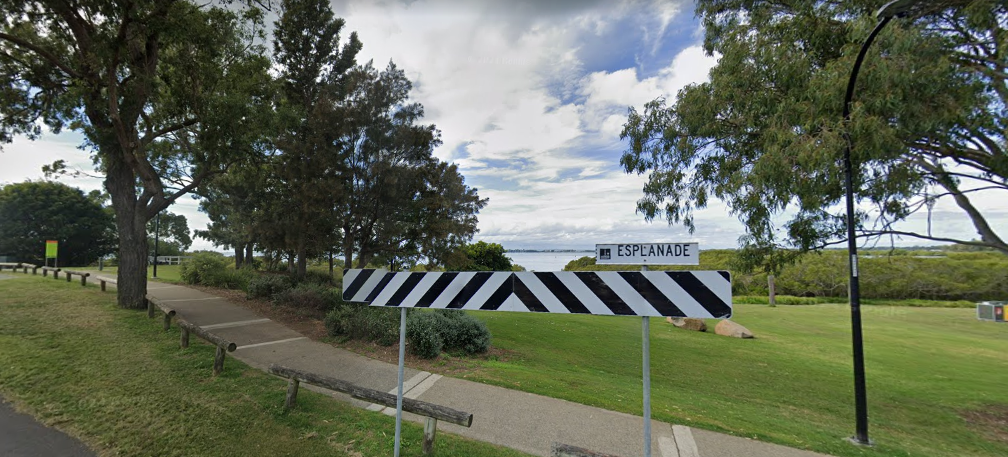
Some residents have raised the possibility of deterrent measures similar to those implemented elsewhere in Australia. The reference point many cite is Lane Cove in Sydney’s north shore, where authorities erected a large view-blocking banner after hundreds of trees were deliberately destroyed throughout 2023 and 2024. Whether such measures might be considered for Lota remains an open question as investigations continue.


The location and nature of the poisoning have led to uncomfortable speculation about motive. While no official determination has been made, the positioning of the affected trees, between residential properties and the waterfront, has prompted many to suspect the vandalism may have been driven by desires to enhance water views from nearby homes.
This theory, whether accurate or not, has touched a nerve within the community. It raises broader questions about the ongoing tension between private interests and public assets, and how far some individuals might go to prioritise personal benefit over community wellbeing.
Read: Street Spotlight: Beltana Street, Lota
The incident has galvanised community resolve to protect remaining green spaces and ensure those responsible face consequences. Residents remain hopeful that someone will come forward with the information needed to bring this case to a resolution.
Anyone with information about the tree poisoning at the Lota Park is encouraged to contact Brisbane authorities. Locals can call 3403 8888 to report any details that may assist the investigation.
Published 3-January-2026