
Manly War Memorial: The Full Story of the Vandalised Statue

Before it was a cherished park, the site of the Manly War Memorial was a simple water reserve known as the Manly Dam, chosen to become a place of honour for 16 local men.


A Solemn Beginning

Manly War Memorial
Photo Credit: QueenslandGovernment

The community first gathered for the memorial’s dedication on 5 March 1921. It was established to remember 16 local men who did not return from the First World War. The original structure was impressive, featuring a life-sized soldier crafted from white Carrara marble. This statue stood on a pedestal of Helidon brown freestone and a base of Enoggera granite, representing the qualities of the ideal Australian: courage, loyalty, and youth.

A Symbol Targeted

Over the years, the memorial sadly became a target for vandalism. This destructive behaviour reached a low point in 1992 when the marble soldier was torn from its pedestal and its head was broken off. For many years after this incident, the pedestal stood empty, a stark reminder of the statue’s absence and a source of distress for the local community.

The Digger’s Return

Manly War Memorial
Photo Credit: Google Map

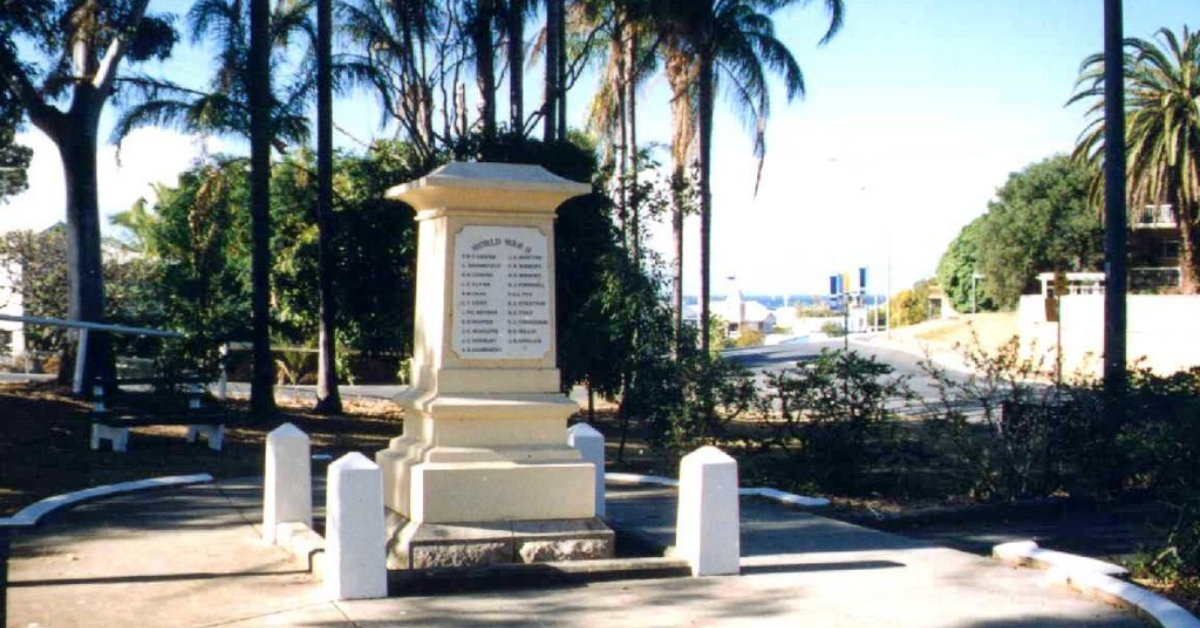
The community did not give up on its memorial. In 2007, a concrete replica of the original soldier was installed, finally filling the space. The figure stands in the traditional position of remembrance, with its head bowed and arms reversed. In a surprising twist, the damaged original marble statue, which many thought was lost forever, was found in 2013. It had been stored in a Brisbane City Council depot in Lota.


From Water Reserve to Honoured Park

The ground on which the memorial stands has its own deep history. Before it was a place of remembrance, the land was a water reserve known as the Manly Dam. In 1919, the local mayor, Richard Russell, selected the site for the memorial park. In recognition of his foresight, the park was officially named Richard Russell Park in 1990.

The site’s importance to the state was formally recognised when it was added to the Queensland Heritage Register in 1992. Today, the memorial honours not only the original 16 men but also the 21 locals who died in the Second World War, along with those who served in the Korean and Vietnam wars.

Published Date 10-November-2025

Laggan House: Gumdale’s Old Tin House Tells Story of Family Survival

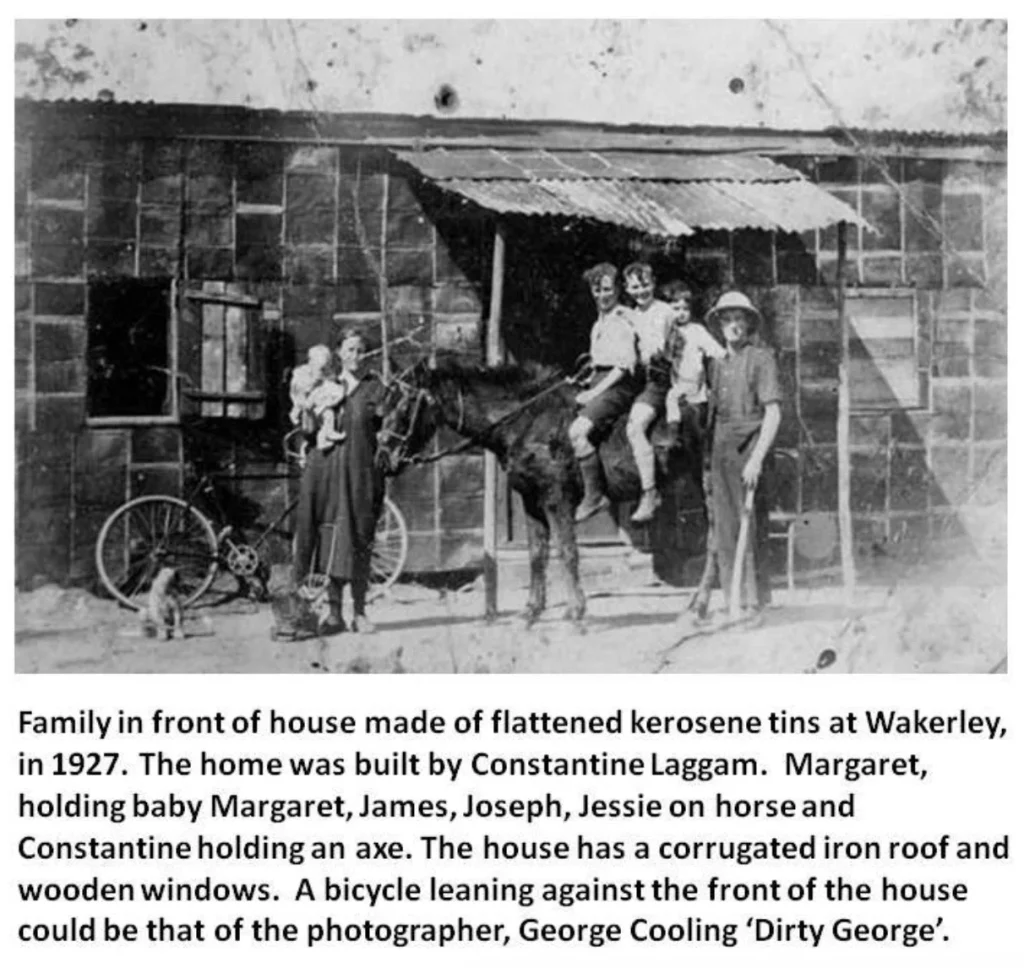
Tucked away in the quiet Brisbane suburb of Gumdale sits a humble tin-shingle shed that once gave one family hope when times were at their hardest. What started as a simple storage shed on Green Camp Road became a lifeline for Constantine Laggan, his wife Margaret, and their four children as they faced the harsh reality of the Great Depression.


A Shed That Became a Home

In 1927, long before Gumdale was the leafy suburb locals know today, Constantine Laggan gathered discarded tins from the Hargreaves Cannery on Manly Road. With limited money and no easy options, he flattened the tins and turned them into the walls of his family’s home. This first house stood in Tingalpa, now known as Arenga Street, Wakerley. 

When the family later moved to Green Camp Road, they turned another tin shed into their next home — the same building now cared for as the Gumdale Historical Museum.

Locals say the shed has served many roles over the years: storage for farm gear, a hay shed, a small garage and even a place to process animals. But for the Laggan family, it was a roof when many families had none.

A Piece of Gumdale’s Past

Decades later, local volunteers stepped in to save the old tin house from disappearing altogether. Piece by piece, they pulled it apart, numbered every plank and iron sheet, then rebuilt it beside the Gumdale Progress Hall on New Cleveland Road. Today, visitors can view items from the Depression era, including a handmade kerosene tin watering can crafted by a gold miner in the 1870s.

Inside Laggan House, shelves and tables show the kinds of household tools, clothing and kitchen items people used when money was tight. Outside, there’s a tool shed, a simple laundry with an old copper, and even a thunderbox toilet that reminds families how far daily life has come.

Photo Credit: Gumdale Progress Hall

Local Stories Kept Alive

Local history groups, such as the Friends of Laggan House, keep the memories alive with special open days. Volunteers share stories of how the shed evolved with each new use and how the Laggan family, like many others, made do with whatever they could find. There is even a children’s quiz to help younger visitors spot the old tools and everyday items that older generations might still remember from their grandparents’ homes.

Several times a year, the museum runs themed displays that tie in with the shed’s era, such as wartime memorabilia or vintage clothing. A small book called From Saplings and Kero Tins: A Peek at Gumdale’s Past tells more about how the area changed from bushland and farms to a growing community.

A Place for Locals to Connect

Laggan House now stands as a simple reminder that even a tin shed can have deep meaning. For Gumdale locals, it is proof that a community’s history is not just found in big mansions or grand buildings but also in the small, clever ways families found to survive and stick together.


Visitors can see Laggan House at 737 New Cleveland Road on the first Saturday of each month (except December and January) from 10:30 a.m. to 12:30 p.m. Entry is $2 for adults, $1 for children or concessions and $5 for a family.

Published 11-July-2025